Civics
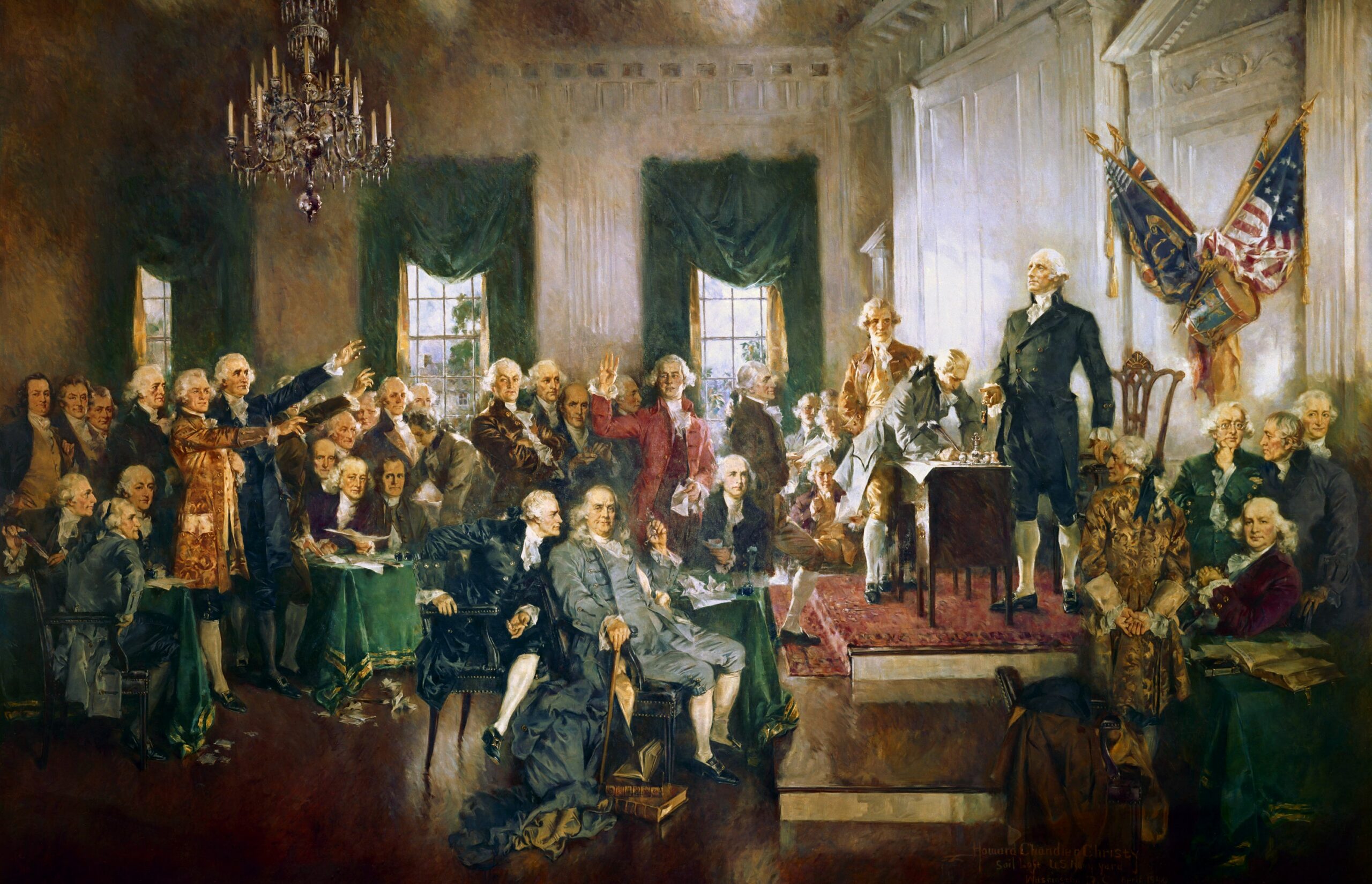
Directed to the proper formation of citizens to love and to know their country's constitutional principles, heritage, and culture.
Civic Education
Civic education is directed to the proper formation of citizens to love and to know their country's constitutional principles, heritage, and culture. There is a certain family resemblance between Classical education and civic education. Both forms of education are directed to the promotion of virtue. A regime benefits from individuals who are courageous on the battlefield, prudent in their decisions, and just in their interactions.
Classical education fosters pietas, or piety, to God, family, and country. Civic education is particularly concerned with the well-ordered piety students should have for their country. It is not value-neutral. Civic education exists to instill well-ordered love, and for that love to be supported by rigorous study of the country’s principles, history, and customs.
Aristotle, in his Politics, notes that in a good regime the just man can be a good citizen. In a bad regime, a just man cannot be a good citizen. In the United States, we are blessed to live in a good regime with a very fine Constitution. An education that is both Classical and civic is geared to ensure that the United States remains a free and just country. Nevertheless, if Classical education is ordered to what is good itself, and civic education to what is good for the regime, there may occasionally be some tension. Rather than deny the tension, citizens must take responsibility to exercise prudence when such occasions arise.
On the one hand, civic education entails the study of a particular regime’s constitution, laws, customs, and history. On the other hand, civic education also includes subject matter that is more universal, such as studying the purpose of law, the nature of citizenship, and the reasons for war. It also includes the study of world history and geography, comparative politics, and international relations. Nevertheless, in an age filled with what Sir Roger Scruton calls oikophobia (“hatred of home”), the fair and faithful study of the United States is particularly necessary, especially for young children.
In this video, Dr. Thomas Varacalli, Dean of the Honors College, interviews Dr. Wilfred McClay of Hillsdale College about the meaning of America and the importance of history.